
Brainteaser games are a classic genre that has existed for thousands of years and has been successfully elevated to a whole new level by stepping into the mobile world. Statistics show that puzzle games are among the most engaging and downloadable genres in the mobile market. The interesting thing about puzzles in mobile game development is that they still retain that level of difficulty and challenge (even for developers). However, some people feel that modern brain teaser games are being dumbed down worldwide to please the masses. That is true to a certain degree, but that doesn’t mean that logic games are not difficult anymore. Challenge has always been a defining feature of the genre. The whole point of these games is to test problem-solving skills such as logic, pattern recognition, sequence solving, or word completion.
Video Puzzle Games are Unique
There are so many different logic games that it's really hard to say what is unique about the genre as a whole. However, in most cases, the difference between a puzzle game and other genres lies in the fact that puzzle developers put emphasis not on player reflexes, speed, or mechanical skills, but on their engagement and mental capacity. The genre is very broad, but it generally involves some level of abstraction and may make use of colors, shapes, numbers, physics, or complex rules. Unlike many video games, puzzle video games often make use of "lives" that challenge a player by limiting the number of tries. In logic games, players often try for a high score or to progress to the next level by getting to a certain place or achieving some criteria.
Puzzle Game Diversity
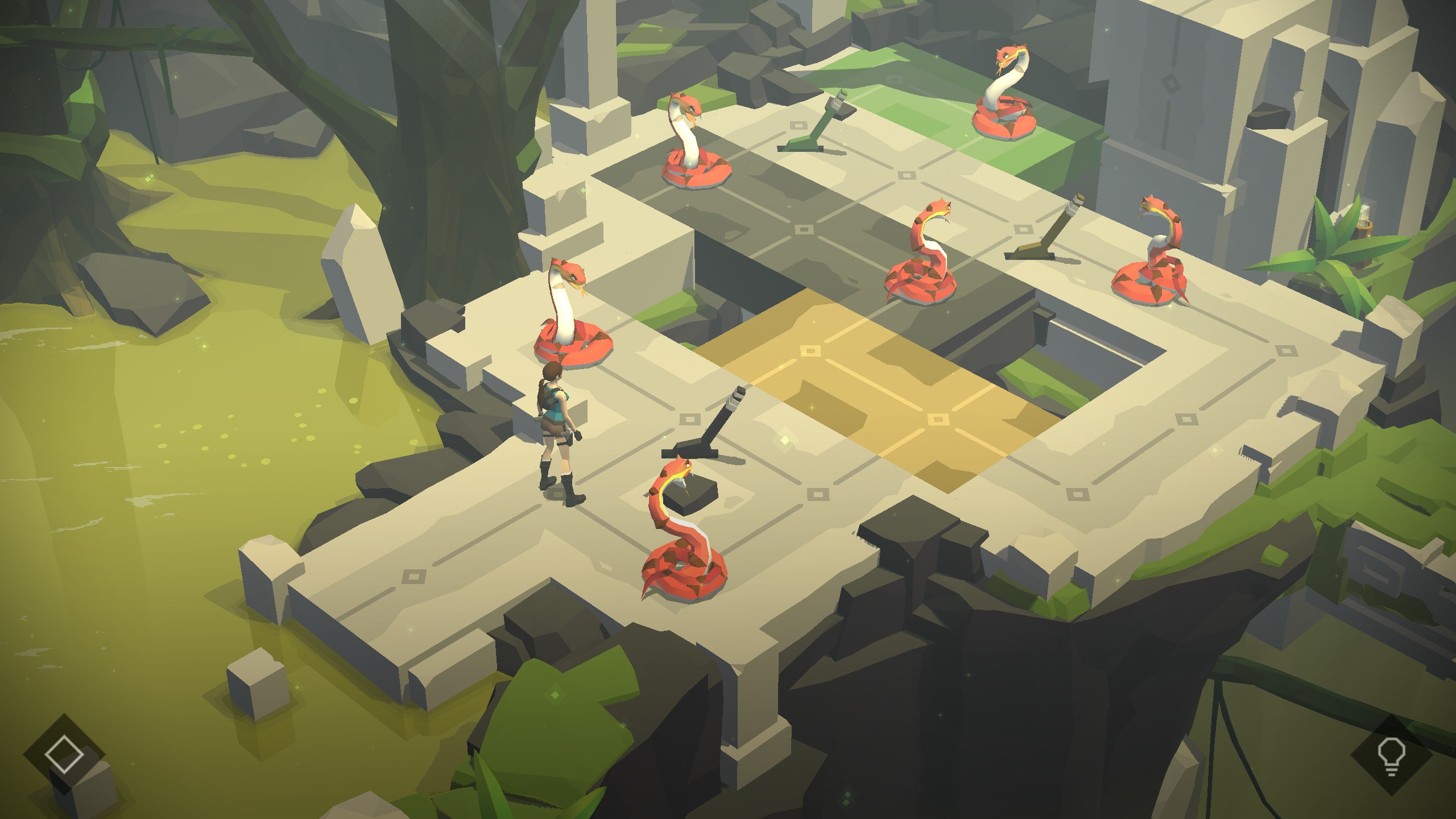
Puzzle games focus on logical and conceptual challenges, although often the games add time pressure or other action elements. Although many action games and adventure games involve puzzles such as obtaining inaccessible objects, true logic games focus on puzzle solving as the primary gameplay activity. Games usually involve shapes, colors, or symbols, and the player must directly or indirectly manipulate them into a specific pattern. Rather than presenting a random collection of puzzles to solve, logic games typically offer a series of related puzzles that are a variation on a single theme. This theme could involve pattern recognition, logic, or understanding a process. These games usually have a simple set of rules, where players manipulate game pieces on a grid, network, or other interaction space. Players must unravel clues to achieve some victory condition, which will then allow them to advance to the next level. Completing each puzzle will usually lead to a more difficult challenge, although some games avoid exhausting the player by offering easier levels between more difficult ones.Puzzle Game Development - Main Points
What makes a good logic game? Well, that’s highly subjective, but Melior Games developers believe that several important points constitute a truly memorable and meaningful puzzle game.- An original concept and core mechanics
- Sufficient difficulty that actually challenges and mentally engages players.
- Simple concepts that have a few twists and surprises revolving around them, making the player think outside of the box.
Answer A Few Important Questions
Making good brain teaser games is a huge job, and sometimes the development itself feels like solving a complicated puzzle. The development stages highly depend on the sub-genre of the puzzle game and its aim. Development usually begins by answering a few important questions.- What is the target audience?
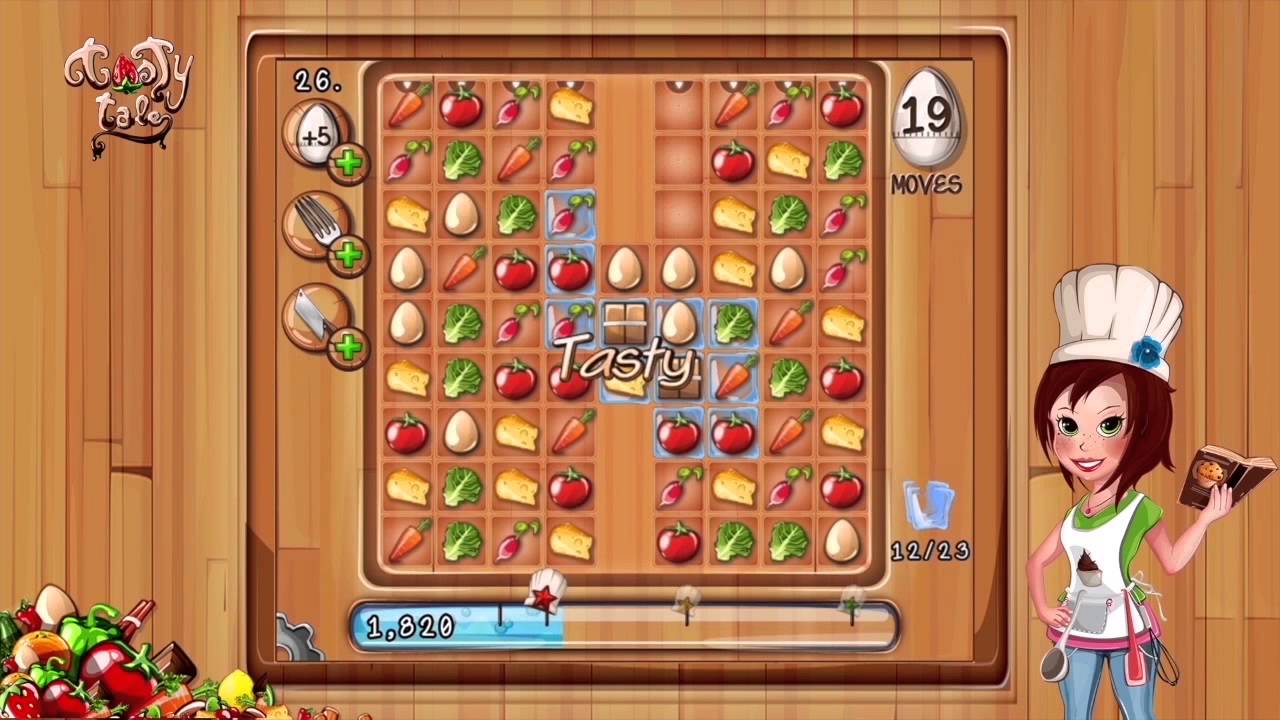
- Are we making a copy of another game (there are numerous Match 3 puzzle games) or do we want to create something completely original?
- What is our monetization model?
- Will we have a random level generator restricted by a few level-dependent factors, or will our levels be made from scratch?